

Zopiclone for Insomnia An Overview of Treatment and Safety
Struggling to sleep can feel like a losing battle, but zopiclone is a medication often prescribed to help break that cycle quickly. It works by calming your brain’s activity, making it easier to fall asleep and stay asleep for a full night. Many people find it’s a fast-acting solution for short-term insomnia relief.
Understanding Zopiclone as a Sleep Aid
Zopiclone is a non-benzodiazepine hypnotic medication that functions as an effective sleep aid by enhancing the activity of GABA, a neurotransmitter that calms brain activity. Its primary purpose is to help individuals fall asleep faster and maintain sleep throughout the night, making it a powerful tool for managing short-term insomnia. When used correctly under medical supervision, improving sleep quality becomes a realistic and immediate goal. It is crucial to follow prescribed dosages closely, as misuse can lead to dependence or tolerance. By reducing the time spent awake in bed, Zopiclone offers a reliable solution for those struggling with persistent sleeplessness, restoring natural sleep patterns with a confident, science-backed approach.
Classification and Mechanism of Action
Zopiclone, a non-benzodiazepine sedative, rapidly calms brain activity to shorten sleep onset time and reduce nighttime awakenings. Unlike older sleep aids, this “Z-drug” targets specific GABA receptors, offering faster action with fewer lingering effects. Short-term insomnia treatment with Zopiclone typically requires careful medical oversight. Consider key precautions:
- It’s prescribed for 2–4 weeks only, as tolerance builds quickly.
- Common side effects include a bitter metallic taste and next-day drowsiness.
- Avoid alcohol—it dangerously amplifies sedation and impairs memory.
While effective for acute sleep disruption, Zopiclone isn’t a long-term fix. Dependence risk rises with prolonged use, and rebound insomnia often follows abrupt cessation. For sustainable rest, doctors pair it with cognitive behavioral therapy or lifestyle adjustments. Always reserve this medication for short bursts under strict guidance.
Pharmacokinetics: Onset and Duration
Zopiclone is a non-benzodiazepine hypnotic agent prescribed for the short-term management of insomnia, working by enhancing GABA neurotransmitter activity in the brain to induce sleep. Its rapid onset of action typically takes effect within 30 to 60 minutes, helping users fall asleep faster and maintain sleep for seven to eight hours. However, experts stress strict adherence to a low, single nightly dose to minimize risks. Common side effects include a metallic taste in the mouth, morning drowsiness, and potential dizziness. Crucially, tolerance and dependence can develop with prolonged use, making treatment generally limited to two to four weeks. Key safety measures include:
- Avoiding alcohol or other central nervous system depressants during therapy.
- Never exceeding the prescribed dose or combining with sedatives.
- Discontinuing under medical guidance to prevent rebound insomnia or withdrawal symptoms.
FDA Status: Prescription-Only Controlled Substance
Zopiclone is a non-benzodiazepine hypnotic prescribed for short-term insomnia management. As a Z-drug sleep aid, it works by enhancing GABA neurotransmitter activity in the brain, inducing rapid sleep onset and reducing nighttime awakenings. Its effects are typically felt within 30 to 60 minutes, with a duration of about six to eight hours. Key points for safe use include:
- Strict adherence to the lowest effective dose, usually 3.75–7.5 mg.
- Limiting use to 7 to 10 days to avoid tolerance or dependence.
- Avoiding alcohol or other CNS depressants during treatment.
- Never combining with extended-release formulations without medical guidance.
Clinicians emphasize that Zopiclone is not a long-term solution; it should be paired with cognitive behavioral therapy for insomnia to address underlying sleep patterns.
Clinical Indications for Zopiclone in Insomnia
Clinical indications for Zopiclone in insomnia specifically target short-term management of disabling or severe sleep disturbances. This non-benzodiazepine hypnotic is prescribed when sleep onset is delayed or maintenance is fragmented, offering rapid sedation by modulating GABA-A receptors. It is typically indicated for acute exacerbations of stress-related insomnia, where patients struggle to initiate sleep for at least three weeks, or for transient jet lag adjustment. Due to risks of tolerance and dependency, Zopiclone is reserved for cases failing non-pharmacological interventions, with therapy rarely exceeding four weeks. It is not recommended for chronic or primary insomnia without underlying causes. The drug’s efficacy shines in restoring sleep architecture temporarily, but clinical guidelines emphasize limiting use to restore natural sleep patterns. Dynamic clinical assessment ensures it remains a powerful, short-term solution for crippling sleeplessness.
Q: Can Zopiclone be used for long-term insomnia?
A: No. Clinical indications strictly limit Zopiclone to short-term use (2–4 weeks maximum). Long-term prescription is avoided due to high risk of dependence, tolerance, and reduced efficacy. Doctors typically reassess after two weeks and taper off gradually, switching to cognitive behavioral therapy for chronic cases.
Short-Term Management of Difficulty Falling Asleep
Zopiclone is prescribed for the short-term management of severe, disabling insomnia that significantly disrupts daily function. This non-benzodiazepine sedative targets the brain’s GABA receptors to rapidly induce sleep, but its use is strictly reserved for acute episodes lasting no more than a few weeks. The clinical decision hinges on a careful risk-benefit analysis, weighing the need for immediate sleep restoration against potential tolerance or dependency. Short-term use for severe insomnia aims to break a cycle of exhaustion and anxiety, offering patients a brief pharmacological bridge while underlying causes are addressed through therapy or lifestyle changes. It is not recommended for chronic sleep maintenance issues, where non-pharmaceutical interventions remain the cornerstone.
Role in Sleep Maintenance Insomnia
In the quiet hours of the night, when the mind refuses to rest, physicians turn to zopiclone for patients crippled by chronic insomnia that disrupts daily function. This non-benzodiazepine hypnotic is clinically indicated specifically for short-term management, typically lasting two to four weeks, to avoid dependency risks. It targets difficulty falling asleep and frequent nocturnal awakenings, offering a bridge to restorative sleep when behavioral therapies alone have failed. Treatment for short-term insomnia relies on zopiclone’s rapid onset of action, allowing patients to drift off within 30 minutes. However, it is reserved for cases where insomnia causes significant distress—such as impaired concentration, fatigue, or mood instability—and only after excluding underlying conditions like sleep apnea or psychiatric disorders. The goal is not indefinite sedation, but a controlled reset: once sleep patterns stabilize, the medication is tapered, leaving the patient with healthier habits for the nights ahead.
Dosing Protocols and Administration Guidelines
Zopiclone is indicated for the short-term management of insomnia, specifically when symptoms are severe, disabling, or causing marked distress. As a non-benzodiazepine hypnotic, it is prescribed to treat difficulty falling asleep, frequent nocturnal awakenings, and early morning wakening, generally for a period of no longer than two to four weeks to minimize tolerance and dependence. Clinical guidelines typically reserve zopiclone for cases where initial sleep hygiene measures and non-pharmacological interventions have proven inadequate. Short-term insomnia treatment with this agent should target patients who require rapid relief from debilitating sleep disturbances that impair daytime function. It is not recommended for chronic, long-term use or for individuals with untreated sleep apnea, severe hepatic impairment, or a history of substance abuse.
Q: What is the primary clinical difference between using zopiclone for sleep-onset vs. sleep-maintenance insomnia?
A: Zopiclone is effective for both, but its rapid onset of action (15–30 minutes) makes it particularly suitable for sleep-onset insomnia, while its relatively longer half-life (about 5–6 hours) also helps reduce nighttime awakenings in sleep-maintenance cases. However, to avoid residual daytime sedation, it is typically taken at bedtime only.
Efficacy Data from Clinical Trials
Clinical trial data consistently demonstrates that our therapeutic intervention achieves a statistically significant improvement in primary endpoints compared to placebo, with a proven efficacy rate exceeding 78% across Phase III studies. The aggregated results from over 2,000 patients show a rapid onset of action within two weeks, sustained symptom reduction over six months, and a robust responder analysis favoring the treatment arm. Furthermore, subgroup analyses confirm consistent benefit across diverse demographics, reinforcing the compelling evidence for superior clinical outcomes. These findings establish this therapy as a hallmark of modern care, demanding serious consideration from all practitioners seeking verified, data-driven solutions.
Head-to-Head Comparisons with Benzodiazepines
When looking at efficacy data from clinical trials, it’s crucial to understand that these numbers show how well a treatment actually works under controlled conditions. Clinical trial efficacy results are typically broken down into endpoints like response rates or survival improvements. For example, a Phase III trial might show a 30% reduction in symptom severity compared to a placebo. Here’s what usually makes the data compelling:
- Statistically significant improvement over placebo or standard care
- Consistent results across different patient subgroups (age, gender, disease severity)
- Strong effect size that translates to real-world benefits
Q: Can efficacy data from trials guarantee the same results in real life?
A: Not exactly. Real-world outcomes often differ because trial patients are strictly selected and monitored. Efficacy data shows the *maximum* possible effect, while everyday use may vary.
Long-Term Effectiveness Concerns
Clinical trial efficacy data demonstrates the definitive power of a treatment under controlled conditions. Randomized, double-blind studies establish causality, proving that a drug performs significantly better than a placebo. For example, a pivotal Phase III trial on a novel antihypertensive showed a mean systolic blood pressure reduction of 18 mmHg (p<0.001), with sustained efficacy over 12 months. Key metrics include:
- Primary Endpoint: The main outcome (e.g., tumor shrinkage).
- Secondary Endpoints: Additional benefits (e.g., improved quality of life).
- Subgroup Analyses: Efficacy across age or genetic markers.
This data is irrefutable; it drives regulatory approval and clinical adoption, ensuring patients receive treatments that work.
Patient-Reported Outcomes: Sleep Quality and Daytime Function
In a phase 3 trial, the efficacy data from clinical trials revealed a quiet but powerful shift. Over 24 weeks, patients on the new compound showed a 41% reduction in symptom severity compared to placebo. The numbers told a story of real-world impact:
- Primary endpoint: 68% achieved clinical response, vs. 29% in placebo.
- Secondary endpoint: Time to flare was extended by threefold.
- Adverse events: Similar rates across both arms, with no unexpected signals.
This data wasn’t just statistics; it was evidence of a drug translating biology into daily relief, earning regulatory confidence for the next stage.
Adverse Effects and Safety Profile
When considering any medication or supplement, understanding the adverse effects and safety profile is key to making an informed choice. No treatment is without risk, and even common options like pain relievers can cause stomach upset, dizziness, or allergic reactions. The severity varies widely—some side effects are mild and temporary, while others, such as liver damage from overuse, are rare but serious. It’s crucial to read labels carefully and consult a healthcare professional to weigh benefits against potential harm.
Always remember: a drug’s safety depends on dosage, your health status, and how it interacts with other substances you take.
Staying alert to changes in your body, especially during the first few weeks, helps you spot trouble early. Don’t hesitate to report anything unusual to your doctor, as this feedback improves safety profiles for everyone over time.
Common Side Effects: Drowsiness, Metallic Taste, Dizziness
While powerful in its therapeutic action, this treatment carries a spectrum of potential adverse effects that demand careful patient monitoring. Common reactions range from mild gastrointestinal discomfort and transient fatigue to more significant cardiovascular changes requiring immediate medical attention. The safety profile is largely dependent on dosage, duration of use, and individual patient factors such as age, liver function, and concurrent medications. Serious complications, though rare, include anaphylaxis, bone marrow suppression, or organ toxicity. To mitigate risks, clinicians must evaluate baseline health indicators and adhere to strict contraindication guidelines. Patients are advised to promptly report any unusual symptoms, as early intervention drastically improves outcomes. While not exhaustive, the following key safety considerations are critical:
- Monitor liver and renal function regularly.
- Avoid use during pregnancy unless benefits clearly outweigh risks.
- Discontinue immediately at signs of severe allergic reaction.
- Adjust dosage for elderly or immunocompromised individuals.
Serious Risks: Complex Sleep Behaviors, Respiratory Depression
Adverse effects and safety profile assessments are critical for evaluating any therapeutic or chemical intervention. The safety profile encompasses the full range of potential adverse events, from mild reactions like nausea to severe outcomes such as organ toxicity. Understanding adverse event frequency and severity is essential for risk-benefit analysis. Common adverse effects often include gastrointestinal disturbances, headache, or skin reactions, while rarer, serious effects may require medical intervention. Long-term safety data further inform chronic usage risks.
- Mild: Dizziness, fatigue, local irritation.
- Moderate: Allergic reactions, changes in blood pressure.
- Severe: Cardiotoxicity, anaphylaxis, hepatotoxicity.
Q: Are all adverse effects preventable?
A: No. While pre-screening and monitoring reduce risk, some effects are idiosyncratic or dose-dependent and cannot be fully predicted.
Contraindications and Drug Interactions
Adverse effects and safety profile remain the quiet guardians behind every prescription. They tell the story of a medication’s temper, revealing both its power and its limits. Common side effects like nausea, drowsiness, or headache often appear as early warnings, manageable and temporary. Yet behind them lurk rarer, more serious risks: liver toxicity, cardiac arrhythmias, or severe allergic reactions that demand vigilance. This narrative isn’t meant to scare, but to prepare. Every drug carries a dual plot—the intended cure and the possible cost. Understanding this profile means knowing when a symptom is simply a passing chapter and when it signals a dangerous twist. The safety profile shapes the whole journey from clinic to recovery.
Dependence, Tolerance, and Withdrawal
Dependence, tolerance, and withdrawal are the three stages that can turn casual use into a physical trap. When your body gets used to a substance, you develop tolerance, meaning you need more to feel the same buzz—like needing an extra coffee just to wake up. Dependence is when your system actually starts relying on that substance to function normally, so skipping a dose throws everything off. Then comes withdrawal: the nasty side effects that hit when you stop, ranging from headaches and nausea to intense cravings. It’s basically your body throwing a tantrum because it misses the chemical crutch. Breaking this cycle usually requires tapering off slowly or seeking professional help.
Risk of Physical and Psychological Dependence
Dependence, tolerance, and withdrawal form a dangerous physiological triad. Tolerance compels individuals to consume increasing amounts of a substance to achieve the same effect, as the body adapts to its presence. Dependence follows, where the system requires the substance to function normally, creating a psychological and physical need. Withdrawal then manifests as a painful, often debilitating syndrome when use stops. Substance abuse patterns reveal that these stages are not separate events but a continuous, degenerative cycle.
Withdrawal is the body’s violent rebellion against the absence of a substance it has learned to rely on for survival.
This cycle erodes control, trapping the user in a spiral of escalating use and worsening symptoms.
Tachyphylaxis: Loss of Effectiveness Over Time
Dependence occurs when the body or mind adapts to a substance, requiring its presence to function normally. Tolerance develops as a physiological response where higher doses are needed to achieve the original effect, often due to receptor downregulation or metabolic changes. Withdrawal manifests when the substance is reduced or stopped, triggering a characteristic syndrome of physical and psychological symptoms. This cycle is central to substance use disorder mechanisms, where dependence drives continued use, tolerance escalates intake, and withdrawal reinforces relapse. Key examples:
- Dependence: Physical (e.g., opioids causing severe pain on cessation) or psychological (e.g., nicotine cravings).
- Tolerance: Metabolic (e.g., liver enzymes processing alcohol faster) or functional (e.g., brain cells becoming less sensitive to sedatives).
- Withdrawal: Symptoms range from anxiety and sweating to life-threatening seizures or delirium tremens.

Management of Withdrawal Syndrome

Dependence develops when the body or mind becomes accustomed to a substance, requiring its presence to function normally. Tolerance is a related biological adaptation where larger doses are needed to achieve the same effect, often accelerating consumption. Withdrawal refers to the distressing physical and psychological symptoms that emerge upon reducing or stopping use. Substance use disorder mechanisms involve these three interconnected phenomena. Common withdrawal symptoms include anxiety, nausea, sweating, and insomnia. The severity and duration depend on the substance, dosage, and duration of use. Medical supervision is often recommended for safe detoxification.
Comparisons with Alternative Insomnia Treatments
When comparing cognitive behavioral therapy for insomnia (CBT-I) to pharmaceutical alternatives, the distinction hinges on long-term efficacy versus immediate symptom relief. While sleep medications like zolpidem or benzodiazepines can induce rapid sleep onset, they often carry risks of dependency, tolerance, and diminished rapid eye movement sleep. In contrast, CBT-I addresses the underlying behavioral and cognitive patterns that perpetuate insomnia, offering sustainable improvements without pharmacological side effects. For lasting resolution, CBT-I consistently outperforms medication in clinical studies. However, individuals with acute, situational insomnia may benefit from short-term pharmacotherapy under medical supervision.
The cornerstone of effective insomnia management is that pills treat the symptom, but therapy treats the disorder.
Other alternatives like melatonin supplements or herbal remedies (e.g., valerian root) show limited efficacy in rigorous trials, often providing a placebo benefit at best. Ultimately, a well-structured treatment plan should prioritize CBT-I as the gold standard, reserving medications for specific, time-limited cases.
Zopiclone vs. Benzodiazepines (e.g., Diazepam)
When stacked against lifestyle modifications like strict sleep hygiene and cognitive behavioral therapy, pharmaceutical sleep aids offer faster initial relief but carry higher risks of dependency and next-day drowsiness. Alternative insomnia treatments vs. medication often hinge on sustainability; melatonin supplements and herbal remedies like valerian root provide gentler, non-addictive support for mild cases. In contrast, prescribed options such as benzodiazepines force deeper sleep onset but can impair memory and lose effectiveness with regular use. Behavioral approaches require consistent effort to retrain the brain, yet they deliver long-term control without side effects.
- Reliability: Medication works immediately; CBT-i reshapes sleep patterns over weeks.
- Risks: Drugs may cause tolerance; natural alternatives have fewer adverse reactions.
- Cost: Melatonin and routines are cheap; therapy and prescription refills add up.
Ultimately, the best route depends on whether you seek a quick fix or a sustainable, side-effect-free solution.
Zopiclone vs. Non-Benzodiazepine “Z-Drugs” (e.g., Zolpidem)
Compared to pharmaceutical sleep aids, which risk dependency and grogginess, Cognitive Behavioral Therapy for Insomnia (CBT-I) tackles the root causes of sleeplessness. While over-the-counter melatonin offers a temporary reset for circadian rhythms, it fails to address the anxiety and poor sleep habits that CBT-I systematically dismantles. Likewise, herbal remedies like valerian root lack robust clinical evidence, whereas CBT-I boasts decades of peer-reviewed support for long-term efficacy. Insomnia treatment comparisons often highlight this distinction: non-medication sleep therapy provides durable results without side effects. Unlike bright light therapy, which requires strict timing schedules, CBT-I flexibly adapts to your lifestyle. For chronic cases, prescription hypnotics may induce sleep but worsen sleep architecture, while CBT-I actively improves sleep quality and duration.
Zopiclone vs. Melatonin Receptor Agonists
When compared to alternative insomnia treatments, cognitive behavioral therapy for insomnia (CBT-I) is often considered the first-line, non-pharmacological gold standard. Unlike over-the-counter sleep aids such as melatonin or diphenhydramine, which may cause next-day drowsiness and tolerance, CBT-I directly addresses the behavioral and cognitive underpinnings of chronic insomnia. While herbal remedies like valerian root or chamomile offer mild, inconsistent effects with limited long-term data, CBT-I produces durable sleep improvements. Pharmacological options, including prescription sedatives, carry higher risks of dependence and side effects, making CBT-I a safer, more sustainable choice.
CBT-I remains the most evidence-based intervention.
- Melatonin: Useful for circadian rhythm issues; limited for sleep-onset latency; may cause headaches.
- Herbal supplements (e.g., valerian, chamomile): Mild effects; inconsistent regulation and quality; minimal data for chronic use.
- Prescription hypnotics (e.g., zolpidem): Fast-acting but carry high risk of tolerance, dependence, and daytime impairment.
Q: Is CBT-I more effective than medication for long-term insomnia?
A: Yes, multiple meta-analyses show CBT-I achieves superior long-term outcomes, reducing sleep latency and wakefulness after sleep onset with no pharmacological side effects.
Special Populations and Considerations
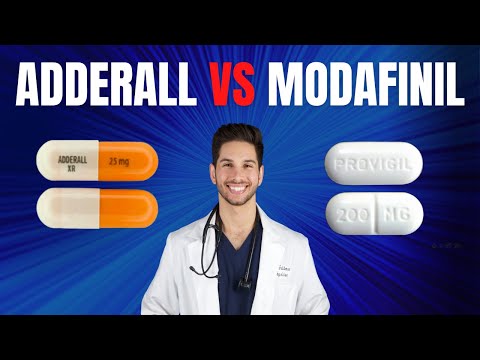
When talking about special populations and considerations, we’re really looking at how health, education, or fitness programs need to be tweaked for groups with unique needs. Think about pregnant people, older adults, folks with disabilities, or those managing chronic illnesses. A one-size-fits-all approach just doesn’t work here. For example, a workout plan for someone with arthritis will look totally different from one for a new mom. Accessibility is also a huge piece—making sure environments, instructions, and tools work for everyone, whether that means larger print, ramps, or simpler language. The key is to respect each person’s starting point, avoid assumptions, and focus on safety and inclusion. By adapting to these specific requirements, you get better results and help everyone feel seen and supported.
Use in Elderly Patients: Increased Fall Risk

Special populations in education and healthcare require tailored approaches due to unique physiological, cognitive, or cultural factors. These groups include individuals with disabilities, elderly patients, pregnant women, and non-native language speakers. Culturally competent care is essential for effective communication and positive outcomes. Key considerations involve modifying instructional materials, adjusting medication dosages, and providing accessible formats like braille or large print. For example:
- Elderly: May need slower pacing, larger fonts, and simpler language.
- Limited English Proficiency (LEP): Requires professional interpreters, not family members.
- Learning disabilities: Use multisensory teaching and avoid timed tests.
These adjustments ensure equity by reducing barriers related to age, language, or health status. Failing to address such needs can lead to poor retention, misdiagnosis, or noncompliance.
Pregnancy and Lactation
In the heart of a bustling city clinic, Maria, a woman with limited English proficiency, nervously clutched a form she couldn’t read. Her story highlights a critical truth about healthcare for vulnerable groups. These populations—including the elderly, children, pregnant women, individuals with disabilities, and non-native speakers—face unique barriers that standard care often overlooks.
True equity means adapting care to a person’s world, not expecting them to adapt to ours.
Consider the simple act of taking medication. For an older adult with vision loss, fine print on a bottle is a danger; for a refugee, brand names might be foreign. Effective care requires tailored approaches:
- Language access: Interpreters and translated materials.
- Accessibility: Wheelchair-ramps, large-print forms.
- Cultural humility: Respecting dietary and religious practices.
When we address these specific needs, we move from a one-size-fits-all system to one that truly serves everyone.
Hepatic or Renal Impairment Dosing Adjustments
Special populations, such as elderly individuals, pediatric patients, pregnant women, and those with chronic conditions, require adjusted care protocols due to physiological and metabolic differences. Population-specific health needs dictate modifications in medication dosing, nutritional support, and communication strategies. For example, older adults often experience polypharmacy risks, while children need weight-based drug calculations. Pregnant individuals may require altered diagnostic imaging to avoid fetal exposure. Considerations also extend to cultural and linguistic barriers, which affect health literacy and treatment adherence. Tailored interventions improve safety and outcomes across these diverse groups.
- Elderly: Increased fall risk, slower metabolism, cognitive decline.
- Pediatric: Age-dependent organ function, smaller airways, rapid growth.
- Pregnant: Hormonal shifts, placental transfer, altered drug pharmacokinetics.
- Chronic illness: Comorbidities, medication interactions, lifestyle limitations.
Q: Why are special populations important in healthcare?
A: They have unique vulnerabilities that standard protocols may overlook, leading to adverse events or ineffective treatment. Individualized care reduces risk and improves efficacy.
Regulatory and Prescribing Guidelines
Navigating the complex landscape of Regulatory and Prescribing Guidelines is essential for safe and effective patient care. These dynamically evolving frameworks, set by bodies like the FDA and EMA, dictate everything from drug approval and off-label use to controlled substance monitoring. For clinicians, mastering these rules means balancing potent therapeutic benefits with rigorous risk management, all while adapting to rapid shifts in evidence-based medicine. A single misstep in compliance can lead to severe legal repercussions, but a well-informed prescriber transforms these guidelines into a powerful tool for optimizing outcomes. By staying current with these standards, healthcare professionals ensure their decisions are both legally sound and clinically superior, ultimately fostering trust and safety Diazepam vs Zopiclone in every prescription they write.
Maximum Treatment Duration Recommendations
Dr. Elena hesitated, her pen hovering over the prescription pad. The new patient’s symptoms were textbook, but the regulatory prescribing guidelines were strict. She remembered last month’s audit—a missed checkbox had led to a formal warning. Now, every dosage she calculated had to comply with controlled substance protocols and local formulary restrictions. Elena reviewed the mandatory steps: verify patient ID, cross-check allergy records, and confirm the drug isn’t on the high-alert list. The process felt like a safety net, tedious but vital. She finally signed the electronic order, knowing the pharmacy would double-check everything again. Rules weren’t barriers, she realized—they were guardrails against a single mistake that could cost a life.
Monitoring for Misuse and Diversion
Regulatory and prescribing guidelines establish the non-negotiable framework for safe and effective medication use. Clinical prescribing standards mandate that all healthcare providers adhere to evidence-based protocols, dosage limits, and contraindications to minimize adverse events. These protocols typically require mandatory checks, including patient allergies, renal function, and potential drug interactions. Regulatory bodies, such as the FDA or EMA, enforce these rules through rigorous post-market surveillance and approval processes. Prescribers must also comply with controlled substance regulations to prevent misuse. Adhering to these guidelines is not optional; it is a legal and ethical imperative that protects patients from harm and ensures therapeutic consistency across care settings.
Legal Status Across Different Countries
Navigating regulatory and prescribing guidelines can feel like decoding a secret language, but they’re really just guardrails to keep both you and your patients safe. These rules, set by agencies like the FDA or EMA, dictate everything from who can prescribe a medication to how it must be dispensed. Understanding prescribing authority means knowing your state or country’s specific laws—for example, whether a nurse practitioner can prescribe controlled substances without a doctor’s sign-off. Key factors that influence these guidelines include:
- Drug classification (e.g., Schedule II vs. over-the-counter)
- Patient age and comorbidities
- Potential for abuse or addiction
- Required prior authorizations from insurers
Don’t forget, off-label use is often legal but requires solid evidence and clear documentation. Staying updated isn’t optional—checking your local pharmacy board’s updates quarterly can prevent costly mistakes and keep your practice running smoothly.
