

The thrill of uncertainty
One of the most compelling aspects of gambling in casinos is the thrill of uncertainty. The unpredictable nature of games like roulette or slot machines elicits a rush of adrenaline that keeps players coming back for more. This uncertainty is psychologically stimulating, as the brain releases dopamine, a neurotransmitter associated with pleasure, whenever a win occurs. Many players appreciate the excitement and potential rewards offered by various options, including the fast paypal withdrawal casino , as the anticipation of a potential win creates an environment charged with excitement, making the experience addictive for many individuals. This dynamic can lead to a cycle of behavior where the thrill of the game becomes more enticing than the outcome itself.
The psychological concept of variable reinforcement explains why players often feel compelled to return to the casino floor. Unlike fixed schedules of reward, which can lead to boredom, variable reinforcement, where rewards are unpredictable, fosters a sense of intrigue. Each spin or hand holds the promise of a jackpot, igniting a desire for continued play. This unpredictability means that players are more likely to continue gambling in hopes of experiencing that euphoric moment when luck strikes. Such a cycle reinforces behavior, drawing players back even after experiencing losses, as they chase the exhilarating feeling of potential victory.
Additionally, the casino environment itself is meticulously designed to enhance this thrill. Elements such as flashing lights, engaging sounds, and vibrant colors create an immersive experience that heightens emotional responses. Every spin of a wheel or pull of a lever becomes a moment filled with potential, aligning perfectly with our innate desire for risk and reward. This environment not only captivates players physically but often leads them to lose track of time, further entrenching them in the gamble. The sensory overload is a deliberate strategy employed by casinos to maintain player engagement and prolong their stay.
The social aspect of gambling
Gambling in casinos is not just an individual pursuit; it’s often a social experience that attracts people to the gaming floor. Many patrons enjoy the camaraderie built around various games, whether it’s cheering together at a blackjack table or sharing stories about previous wins and losses. This social interaction plays an essential role in motivating individuals to gamble, as it fosters a sense of belonging and community. The shared excitement of a near win or a big payout can create bonds among players that enhance the overall experience.
The desire for social validation can significantly affect gambling behavior. Many players seek approval and acknowledgment from their peers, leading to increased enjoyment of the gaming experience. This is especially true in group games, such as poker or craps, where teamwork and social dynamics can influence outcomes. The laughter, excitement, and shared tension of these experiences create memories that players cherish, further entrenching their passion for visiting casinos. Thus, the social environment of gambling can act as a strong motivator, encouraging individuals to participate more frequently.

Furthermore, casinos often facilitate these social interactions by providing spaces designed for socializing, such as lounges, bars, and restaurants. This integration of leisure and gambling creates a holistic experience that is not solely focused on the act of betting but rather encompasses an entire night out. Players find themselves immersed in an environment rich with social opportunities, enhancing their motivation to return. This multifaceted approach not only attracts casual gamblers but also cultivates a loyal customer base that thrives on the social aspect of the gaming experience.
The role of escape and distraction
For many individuals, visiting a casino serves as an escape from daily life. The casino environment offers a temporary reprieve from stress, responsibilities, and the mundane aspects of routine. This desire for distraction can drive people to gamble, as the thrill of the games allows them to immerse themselves in an alternate reality where their worries seem to fade away. The intense focus required for gambling can distract from negative thoughts, making it an attractive option for those seeking relief. The allure of escapism is a powerful motivator, especially for individuals facing personal challenges or seeking a break from their everyday lives.
Additionally, the sensory overload of casinos—bright lights, loud sounds, and vibrant colors—contributes to this escape. By immersing players in a stimulating environment, casinos effectively transport them from their daily concerns into a world dominated by hope and excitement. This form of escapism can be particularly appealing during tough times, leading individuals to seek solace in gaming as a way to cope with external stressors. However, while this escapism can provide temporary relief, it can also lead to problematic gambling behavior if individuals begin to rely on it as their primary coping mechanism.
However, it’s important to recognize that while gambling may provide temporary relief, it can also lead to negative consequences if individuals rely on it as a primary escape mechanism. The line between entertainment and addiction can become blurred, leading to financial troubles and emotional distress. Understanding this psychological aspect is vital in promoting responsible gambling behavior and ensuring that the experience remains enjoyable rather than harmful. By creating awareness around the potential pitfalls of gambling as an escape, individuals can seek healthier alternatives for managing stress and anxiety.
The influence of cognitive biases
Cognitive biases play a significant role in gambling behavior, affecting how individuals perceive risk and reward. One of the most common biases is the illusion of control, where players believe they can influence the outcome of games that are purely based on chance. For example, a player might feel that they can predict when a slot machine is “due” for a payout, despite the fact that each spin is independent and random. This belief can drive players to gamble more, as they feel empowered by their perceived abilities. Such misconceptions can lead to increased frequency of play, reinforcing a cycle of hope and disappointment.
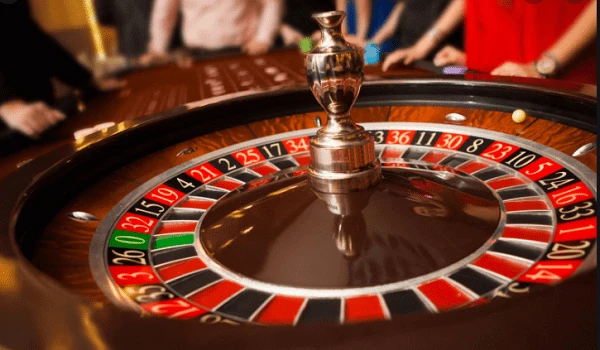
Another prevalent bias is the gambler’s fallacy, where individuals mistakenly believe that past outcomes will affect future results. For instance, a player might assume that a specific number in roulette is “due” to hit after a series of misses. These cognitive distortions can lead players to make irrational betting decisions, often resulting in financial losses. Understanding these biases in the context of gambling is crucial for recognizing the psychological pitfalls that can trap individuals in a cycle of failure and loss. By identifying these biases, players can develop a more rational approach to their gambling behavior.
Moreover, the marketing tactics employed by casinos often exacerbate these cognitive biases. Promotions and advertising usually highlight big winners and sensationalize success stories, reinforcing the belief that gambling can easily lead to wealth. This creates a narrative that downplays the risks involved, enticing more players to engage in games without fully understanding the odds against them. Awareness of these biases can be a critical step towards fostering informed decisions in gambling, promoting healthier engagement with the gaming experience. Ultimately, addressing cognitive biases can empower players to approach gambling with a more realistic mindset.
Conclusion and exploring responsible gaming
As we delve into the psychology behind gambling, it becomes clear that a multitude of factors influences why people play in casinos. From the adrenaline rush of uncertainty and the social dynamics at play to the reasons for escape and the cognitive biases that can skew perception, understanding these elements is essential for anyone involved in gaming. Casinos are more than mere venues for chance; they are psychological landscapes where excitement, community, and risk converge. This complexity underscores the need for a deeper exploration of the motivations behind gambling behavior.
The exploration of these psychological aspects is crucial not only for players but also for industry stakeholders advocating for responsible gaming. By fostering awareness of the motivations and behaviors linked to gambling, the hope is that individuals can make informed choices, balancing enjoyment with caution. Ultimately, the objective should be to create an environment that supports fun and entertainment while minimizing the risks associated with gambling addiction. This can be achieved through education, awareness campaigns, and the promotion of responsible gambling practices.
For those seeking more information on gambling psychology and responsible gaming, it can be beneficial to explore educational resources and support networks available online. These platforms can provide insights and tools to help individuals navigate their gaming experiences responsibly, ensuring that the thrill of the game remains a positive aspect of life rather than a detrimental one. Understanding this complex interplay of psychology and gaming can empower players to enjoy their casino experiences while staying grounded in reality and making responsible choices.
