

Psychological Triggers in Gameplay
Casinos are designed with a deep understanding of human psychology. One of the most significant influences they have is through the use of psychological triggers, such as colors, sounds, and layout. For instance, bright colors and flashy lights are strategically used to capture attention and create a sense of excitement, while many players also explore bitcoin betting sites that offer unique experiences. These elements are crafted to evoke emotions that can lead to impulsive decisions, often pushing gamblers to spend more time and money than they initially planned.
The sounds associated with slot machines, such as jingles and the clinking of coins, also play a vital role. These auditory cues can create a positive feedback loop, where the player feels rewarded even when losses occur. This phenomenon can alter a player’s perception of winning and losing, making it difficult to walk away from the table or machine. By continuously reinforcing the thrill of the game, casinos manipulate players’ decisions effectively.
Additionally, casinos employ the concept of ‘near wins’ to further influence gambling behavior. This term refers to situations where players come very close to winning, which can lead to an increase in playtime. The illusion of being close to a win creates a desire for players to continue gambling in hopes of achieving that elusive jackpot. The emotional high from these near-wins can cloud judgment and lead to increased risk-taking, ultimately affecting financial decisions related to gambling.
Design and Environment Influence
The physical environment of a casino is meticulously designed to enhance the gambling experience. From the moment a player steps inside, they are enveloped in an atmosphere that promotes relentless gaming. The absence of clocks and windows, combined with a carefully curated ambiance, removes the perception of time passing. This design choice encourages players to lose track of how long they’ve been wagering, leading to longer gambling sessions and increased spending.
Moreover, the strategic placement of various games influences decision-making. For instance, high-stakes games are often located in more plush, secluded areas to create an aura of exclusivity, attracting players willing to risk larger sums. In contrast, the more casual games are placed in accessible locations, allowing them to cater to a wider audience. This intentional design promotes a seamless flow from one game to another, keeping gamblers engaged and likely to extend their gambling sessions.

Casinos also use sensory branding to create memorable experiences. For example, the signature scent of a casino can evoke feelings of comfort and excitement, encouraging players to linger and continue gambling. This multi-sensory approach can significantly affect a player’s emotional state and, subsequently, their gambling decisions. By immersing players in an engaging environment, casinos encourage them to make choices they might not have made otherwise, increasing the likelihood of prolonged gambling.
The Role of Promotions and Loyalty Programs
Promotions and loyalty programs are key strategies that casinos utilize to influence gambling behavior. These programs often promise rewards such as free play, dining credits, or exclusive access to events based on the amount of money spent. This creates a sense of loyalty among players, who may feel compelled to return to the casino to maximize their benefits. Such incentives can greatly affect players’ gambling decisions, making them more likely to take risks in the hope of accumulating rewards.
Casinos frequently employ limited-time promotions and bonuses to create urgency, compelling players to act quickly. For example, a time-sensitive offer might encourage a gambler to spend more than they typically would, driven by the fear of missing out on a lucrative deal. This tactic exploits the psychological principle that people are more likely to make impulsive decisions when they believe an opportunity is fleeting.
Furthermore, loyalty programs can lead to a cycle of increased spending. As players accumulate points, they may feel pressured to wager more to reach the next tier of rewards, often leading them to gamble beyond their means. This cycle can create a reliance on gambling for emotional satisfaction, as players seek to achieve the rewards they have been conditioned to expect. By intertwining gambling habits with the pursuit of rewards, casinos significantly shape players’ decision-making processes.
The Impact of Social Influence
Social influence plays a critical role in shaping gambling decisions within casinos. For many, gambling is not merely an individual activity but a social experience shared with friends or family. The communal nature of gaming can pressure individuals to engage in gambling behavior that they may not participate in normally. This social aspect can be particularly potent when groups celebrate a big win or express disappointment over a loss, reinforcing the emotional highs and lows associated with gameplay.
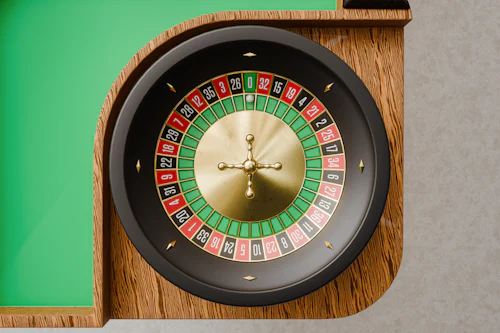
Casinos harness this social element by providing communal gaming experiences, such as table games where players can interact with one another. The camaraderie built at these tables can escalate betting behavior, as players often seek to impress their peers or maintain the excitement of a shared win. The presence of other gamblers can amplify the sense of competition and encourage increased wagering, which can lead to risky decision-making.
Furthermore, social media platforms have transformed how players share their gambling experiences, creating a phenomenon where individuals may feel compelled to showcase their wins and losses. This sharing culture can drive others to gamble in pursuit of similar social validation. The interplay between social influence and gambling decisions can create a cycle of heightened engagement, as players strive to emulate the experiences shared by their peers, often leading to increased spending and higher-risk behavior in casinos.
Comprehensive Insights on Gambling Behavior
The influence of casinos on gambling decisions is multifaceted, encompassing psychological, environmental, promotional, and social factors. A comprehensive understanding of these elements is crucial for players aiming to navigate their gambling experiences more consciously. By recognizing how casinos tailor their environments and strategies to impact decision-making, players can become more aware of their impulses and make informed choices regarding their gambling habits.
It is essential for gamblers to approach gaming with a critical mindset and develop a personal strategy to avoid excessive losses. This includes setting limits, understanding the odds, and being mindful of the time spent in a casino environment. Awareness of the elements that influence decision-making can empower players to enjoy gambling as a recreational activity without compromising their financial stability.
Engaging with responsible gaming resources can also enhance a player’s knowledge of their behaviors and choices. Online platforms and local organizations often provide tools and information that help individuals understand the potential risks associated with gambling. By promoting a culture of responsible gaming, players can enjoy the entertainment value of casinos while minimizing the risks that can arise from excessive gambling behaviors.
